
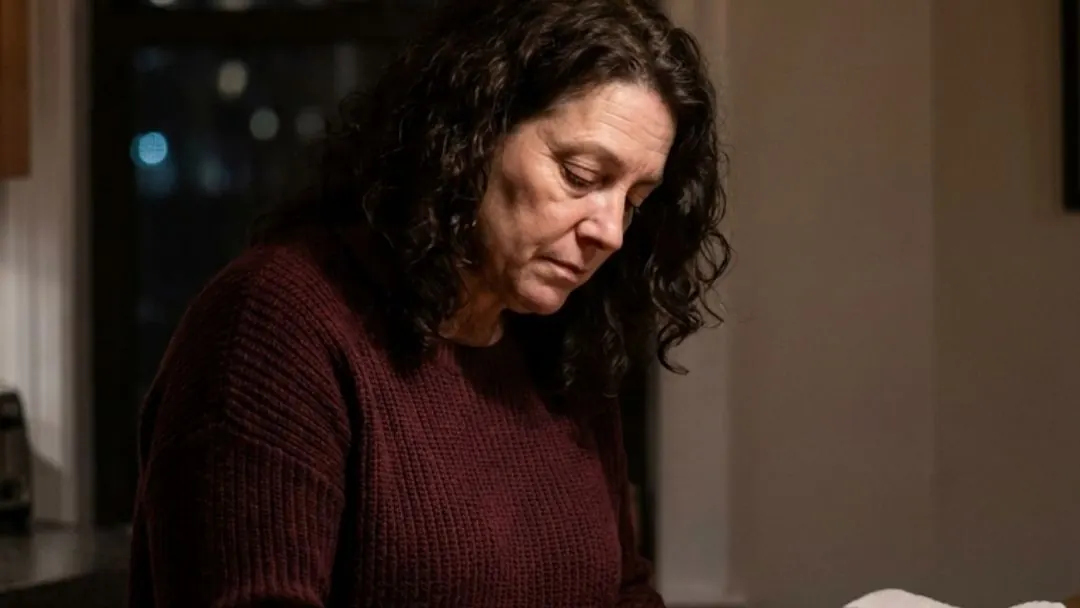
Many older adults take several medicines a day, and the pills are not the hard part. The hard part is the timing, the refills, the changes after every doctor visit, and the doses that get taken twice or not at all.
Here is how families keep it straight, what a medication reminder from our caregivers means, and the signs that a medicine needs a call to the doctor.
Keeping medicines straight
- Keep one master list: every medicine, the dose, the time, and who prescribed it. Include vitamins and anything bought over the counter.
- Bring the list to every appointment, and update it after every hospital stay. Medicines often change at discharge.
- Use one pharmacy, so the pharmacist can catch medicines that don’t mix.
- Use a weekly pill organizer, filled at the same time each week. Ask the pharmacy whether they can package pills by day and time.
- Once a year, ask the doctor: “Can any of these be simplified or stopped?”
What a medication reminder from us means
At the times on their schedule, our caregiver lets them know it is time, brings their pill organizer and a glass of water, and notes in the visit record whether they took it or said no. If something seems off, like a missed day in the organizer or a dose that looks wrong, we tell you.
Who fills the pill organizer is decided before care starts: you, another family member, the pharmacy, or a home health nurse.
What our caregivers do, and what they don’t
Our caregivers can
- Remind them when it is time to take their medicine
- Bring their pill organizer and a glass of water
- Note whether they took it, and tell you about missed doses
- Pick up prescriptions
- Drive them to the doctor and pharmacy
Our caregivers don’t
- Give medicine or put pills in their hand or mouth
- Fill pill organizers or decide on doses
- Give shots, insulin, eye drops or breathing treatments
- Do any nursing task
If someone needs medicine given to them, a home health nurse or a family member handles that part. We can help you find the right fit.
When to call
Call the doctor the same day
- New dizziness, sleepiness or confusion after a medicine change
- Falls after starting a new medicine
- A pattern of missed or doubled doses
- Upset stomach, a rash or other new side effects
Call 911
- Can’t be woken up, or very hard to wake
- Trouble breathing
- Swelling of the face, lips or tongue
- They may have taken far too much of a medicine (you can also call Poison Control at 1-800-222-1222)
Always follow what their own doctor told you first. If a caregiver sees an emergency during a visit, they call 911 and then our office, and we call you.
What to tell us at the assessment visit
Jot these down before we come. It helps us build the right plan the first time.
- Their master medicine list
- Who fills the pill organizer, and when
- Their pharmacy
- Doses that are often missed or confusing
- Any recent medicine changes or hospital stays
Help in Springfield besides us
SeniorAge is the Area Agency on Aging for southwest Missouri. They can point you to meals, rides, legal help, caregiver support and respite in your county: (417) 862-0762. Our Southwest Missouri caregiver resources page lists more local help.
What it costs
Care is $30 to $34 an hour, depending on how much hands-on help is needed. Visits are usually 4 hours or more, at least 8 hours a week, with no deposit and no long-term contract. See our rates.
Want to talk it through?
Call us and a real person answers, day or night. We can come to the house for a free in-home assessment and build a plan with you, with no pressure to decide anything.
Call (417) 234-8494Request a free assessmentThis guide is general information from our team, not medical advice. Their own doctor and pharmacist know them best.